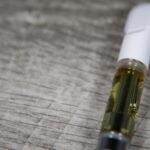
The popularity of hemp vape oil has skyrocketed in recent years, with many products on the shelves coming from white label manufacturers. For consumers, that often raises the big question: Are these white labeled hemp vape oil products actually safe?
To answer that, it’s important to understand what white labeling is, what safeguards exist, and what consumers can do to make smart choices.
What Is White Labeling in Hemp Vapes?
White labeling means a third-party manufacturer produces vape oil that is then branded and sold by another company. This practice is common in many industries—from grocery store snacks to skincare—and in cannabis and hemp, it allows brands to launch products without building expensive production facilities.
While this model makes sense from a business perspective, consumers often wonder if the quality and safety of white labeled products match those of established name brands.
The Role of Regulation and Testing
The safety of hemp vape oil products—whether white labeled or not—largely depends on compliance with regulations and testing standards. The U.S. Food and Drug Administration (FDA) does not currently regulate hemp-derived CBD vape oils in the same way as pharmaceuticals, which leaves oversight primarily to state-level laws.
Reputable manufacturers send their products to independent, third-party labs to verify potency and screen for contaminants like pesticides, heavy metals, and residual solvents. According to the U.S. Hemp Authority, certificates of analysis (COAs) are critical documents consumers should always look for. These COAs prove that the oil inside the cartridge matches what’s on the label and that it’s free from harmful substances.
Brands that take compliance seriously—white label or otherwise—will make these test results easily available on packaging or websites.
Risks Consumers Should Be Aware Of
Not all white labeled hemp vape oils are created equal. Because white labeling makes it easy for new brands to enter the market, some less scrupulous companies may cut corners to maximize profit. The CDC has warned about the dangers of illicit vape products, particularly during the 2019 EVALI (e-cigarette or vaping use-associated lung injury) outbreak, which highlighted the risks of untested or unregulated oils.
While most reputable hemp vape producers today avoid harmful additives like vitamin E acetate (linked to EVALI cases), the scare underscored why consumers need to be vigilant.
Signs of a Safe White Labeled Vape Product
Consumers can take simple steps to help ensure they’re purchasing safe vape oils:
- Look for third-party lab results (COAs): These should list cannabinoid content, terpene profile, and contaminant testing.
- Check brand transparency: Reputable brands disclose their manufacturing partners or proudly highlight certifications such as Good Manufacturing Practices (GMP).
- Research the manufacturer: Many well-known white label labs like Mile High Labs and CannaAid have established reputations for strict quality standards.
- Buy from licensed retailers: Purchasing from dispensaries or trusted online shops reduces the risk of counterfeit or unsafe products.
If a product lacks transparency or lab testing, that’s a red flag—no matter how attractive the branding might look.
The Bottom Line
White labeled hemp vape oil products can be safe—but safety depends on who’s making them and whether proper testing and compliance steps are followed. Trusted manufacturers and transparent brands can deliver oils that are just as safe and effective as name brands.
For consumers, the key is to prioritize lab testing, brand reputation, and regulated points of sale. Doing a bit of homework before purchasing can make the difference between a positive vaping experience and a potentially risky one.