The hemp vape oil market has grown rapidly over the past decade, yet confusion still lingers around what these products are, how they work, and whether they’re safe to use. Misconceptions often come from the overlap between hemp and cannabis culture, inconsistent regulations, and waves of misinformation online. Clearing up these myths is key for consumers looking to make informed decisions.
Misconception 1: Hemp Vape Oils Get You High
One of the most common misconceptions is that hemp vape oils will cause the same psychoactive effects as cannabis. This stems from the fact that hemp and marijuana are both cannabis plants, but hemp is legally defined in the U.S. as containing less than 0.3% THC (the compound responsible for intoxication) under the 2018 Farm Bill. Most hemp vape oils focus on CBD or other non-intoxicating cannabinoids. While some users may feel relaxed or calmer, the “high” associated with marijuana is absent.
Misconception 2: Hemp Vape Oils Are the Same as Nicotine Vapes
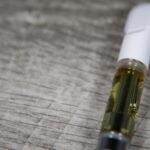
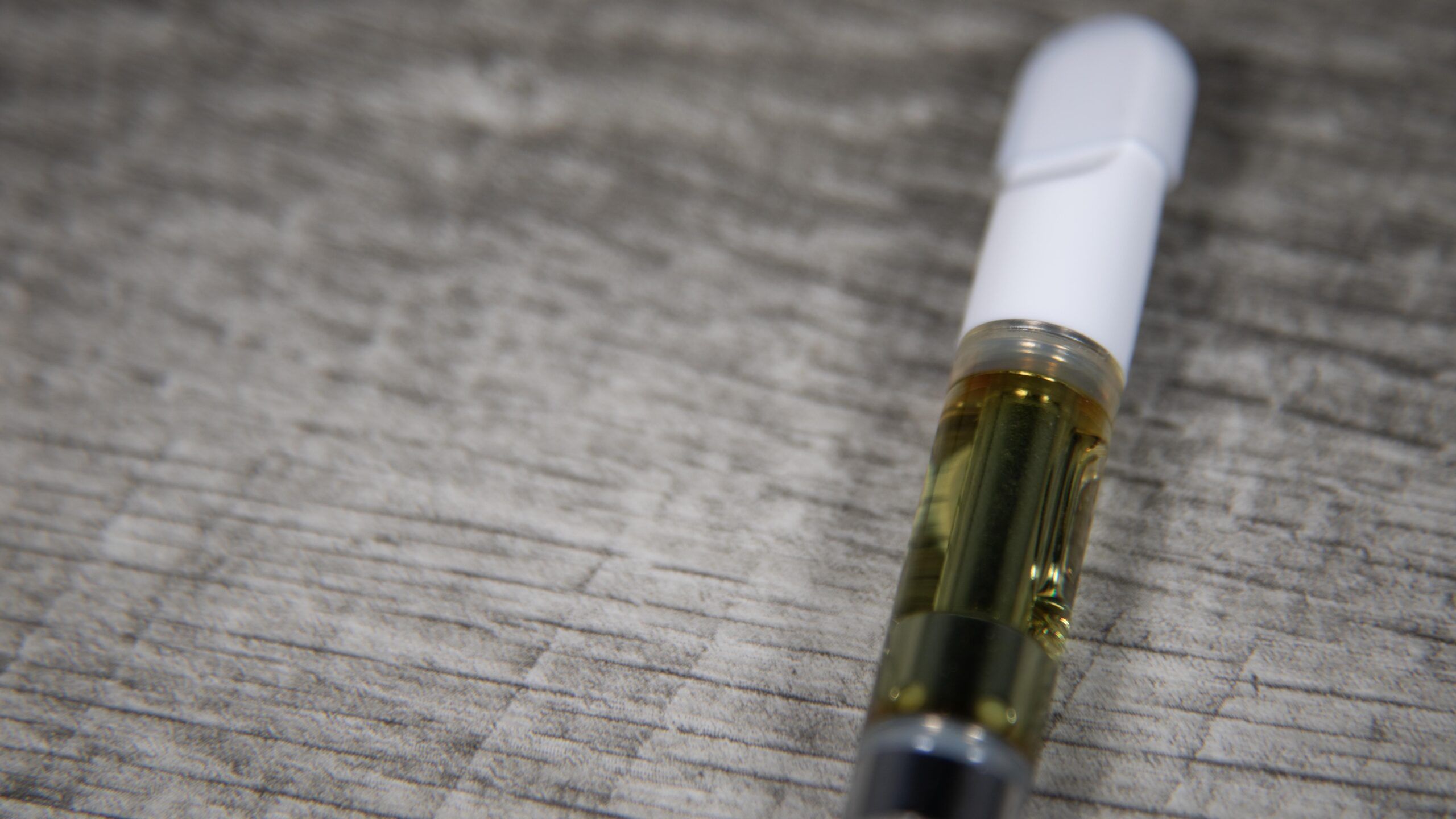
Another misunderstanding comes from the rise of e-cigarettes. Because hemp oils are consumed in similar-looking vape pens, many assume they are interchangeable. In reality, nicotine and hemp oils are entirely different substances with distinct ingredients and intended effects. Confusion grew when hemp products entered vape shops alongside nicotine e-liquids, leading to assumptions that they belong in the same category. In truth, hemp vapes are more comparable to herbal supplements than tobacco products.
Misconception 3: All Hemp Vape Oils Are Created Equal
The lack of consistent regulation has fueled the belief that all hemp vape oils are safe and standardized. In reality, product quality varies widely. Poorly made oils may include contaminants, synthetic cannabinoids, or cutting agents like vitamin E acetate—linked to vaping-related lung injuries in 2019. Trusted hemp oils, on the other hand, are third-party tested, labeled with cannabinoid content, and free of harmful additives. Consumers often pick up this misconception because marketing messages from less-reputable brands blur the lines between premium and unsafe products.
Misconception 4: Hemp Vape Oils Are Illegal
Legal uncertainty has also driven confusion. While hemp was federally legalized under the Farm Bill, state regulations vary widely. Some states restrict vaping products altogether, while others have specific rules around CBD or hemp-derived compounds like Delta-8 THC. This patchwork of laws has left consumers unsure whether they can legally purchase or use hemp vape oils in their area. Media coverage of state crackdowns has only reinforced the myth that these products are “banned everywhere,” when in fact legality is determined locally.
Misconception 5: Vaping Hemp Oil Is the Same as Smoking Hemp Flower
Lastly, many assume vaping hemp oil carries the same experience and risks as smoking hemp flower. Smoking involves combustion, producing tar and other byproducts. Vaping heats the oil without burning, generally considered less harsh on the lungs. While vaping is not risk-free, it’s distinct from smoking and often chosen by consumers seeking smoother, more discreet consumption. This misconception often comes from decades of public health campaigns against “smoking,” lumping all inhaled products into one broad category.
Where These Misconceptions Come From
Most of these misunderstandings come from three places: inconsistent regulation, the overlap of hemp and marijuana terminology, and limited consumer education. The rapid growth of hemp products outpaced public awareness, and a mix of media coverage, anecdotal reports, and marketing hype shaped public opinion. By looking to credible sources, such as the CDC, FDA, and third-party lab results, consumers can separate fact from fiction.
Final Word
Hemp vape oils are not a mystery, but years of confusion have left many consumers unsure about what they’re buying. Understanding what these products are—and what they aren’t—empowers people to make safer, more informed choices.