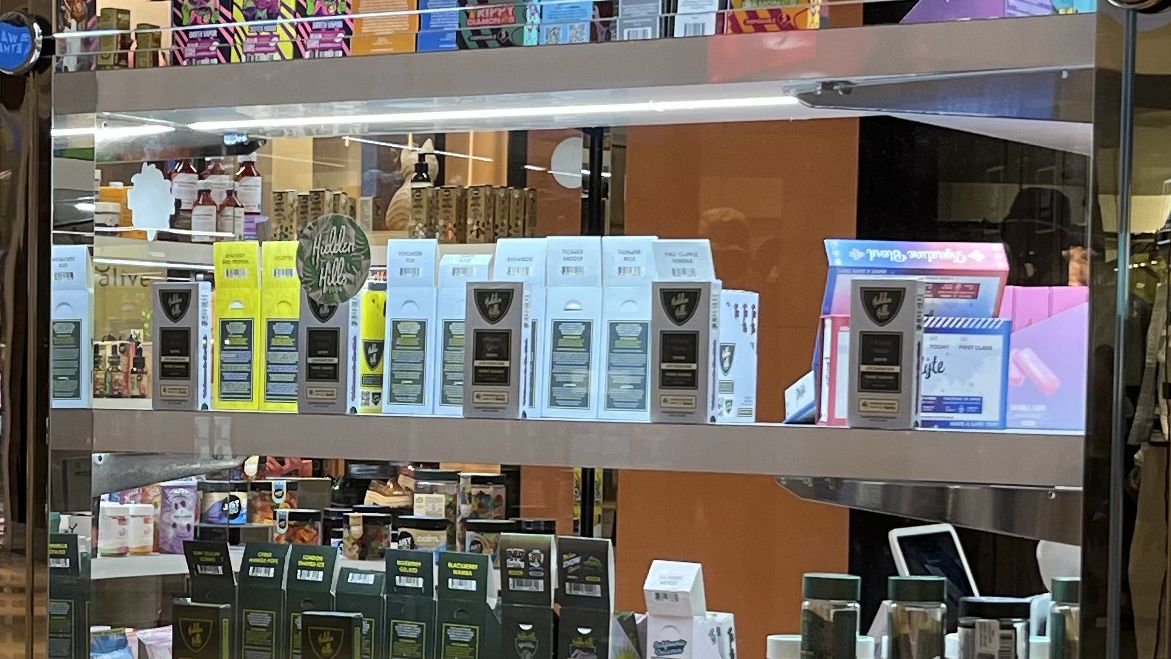

White label hemp vape oils are a cornerstone of today’s rapidly expanding hemp and CBD market. They allow brands to launch high-quality vape products without the expense of building their own laboratories, extraction facilities, or compliance systems. For many consumer-facing companies, partnering with a white label manufacturer provides a faster route to market while maintaining consistent quality and safety standards. Understanding the process behind these products helps illustrate why they have become so vital for both businesses and consumers.
Raw Material Sourcing
The foundation of any hemp vape oil is the plant itself. White label manufacturers typically work with licensed cultivators that supply industrial hemp rich in cannabidiol (CBD) and other cannabinoids but with less than 0.3% THC, in compliance with the 2018 U.S. Farm Bill. Quality begins at this stage—plants are selected for their cannabinoid and terpene profiles, pesticide-free cultivation, and adherence to Good Agricultural and Collection Practices (GACP).
Extraction of Cannabinoids
Once harvested, hemp biomass undergoes extraction to separate cannabinoids and terpenes from plant material. The most common techniques include:
- CO₂ Supercritical Extraction: Widely regarded as the industry standard, this method uses pressurized carbon dioxide to pull cannabinoids and terpenes from hemp. It produces a clean, solvent-free extract.
- Ethanol Extraction: Favored for scalability, ethanol dissolves cannabinoids efficiently, though post-processing is required to remove residual solvents.
- Hydrocarbon Extraction (Butane/Propane): Used less frequently in hemp due to regulatory scrutiny, but it can preserve delicate terpenes.
The chosen method depends on the manufacturer’s equipment, regulatory environment, and desired product consistency.
Distillation and Refinement
Raw hemp extract is crude and contains waxes, chlorophyll, and plant lipids. White label producers refine it through winterization (freezing and filtering) and fractional distillation. This process separates cannabinoids at different boiling points, resulting in highly purified distillates.
At this stage, manufacturers may produce:
- Full-Spectrum Oil (retains cannabinoids and terpenes naturally occurring in hemp)
- Broad-Spectrum Oil (contains multiple cannabinoids but is THC-free)
- CBD Isolate (99% pure crystalline CBD)
Each option provides brands flexibility in tailoring their vape products to consumer demand and regulatory guidelines.
Formulation of Vape Oils
Creating a safe and effective vape oil requires balancing cannabinoids with carrier agents and flavorings. Typical components include:
- Hemp Extract (CBD or broad-spectrum distillate) – the active ingredient
- Carrier Liquids (MCT oil, propylene glycol, vegetable glycerin, or hemp seed oil) – ensure proper vaporization and consistency
- Terpenes or Natural Flavorings – provide aroma, taste, and in some cases, entourage effects
Formulation teams follow strict guidelines to maintain viscosity and stability while avoiding harmful additives like Vitamin E acetate, which was linked to vape-related lung injuries in 2019 (CDC, 2020).
Quality Control and Testing
Every batch undergoes rigorous third-party laboratory testing to verify cannabinoid content, terpene profile, and safety. These tests typically include:
- Potency Testing (CBD/THC concentration)
- Residual Solvents
- Heavy Metals
- Pesticides
- Microbial Contaminants
Certificates of Analysis (COAs) are then issued, which brands can use to demonstrate transparency and compliance to their customers. Reputable white label manufacturers will only release products that meet state and federal safety thresholds.
Cartridge Filling and Hardware Integration
Once the oil is ready, it is filled into vape cartridges, pods, or disposable pens using precision filling equipment. Manufacturers partner with hardware suppliers that produce ceramic-coil or glass cartridges designed for hemp oils. Ensuring compatibility between oil viscosity and cartridge technology is critical to prevent clogging, leakage, or burnt flavors.
Packaging and Branding
The final step is packaging, which transforms the refined oil into a consumer-ready product. White label services allow client companies to customize labels, colors, and package design while ensuring compliance with FDA labeling guidelines and state-specific hemp regulations. Proper labeling includes cannabinoid content, batch numbers, safety warnings, and QR codes linking to COAs.
Why White Label Manufacturing Matters
White label hemp vape oil production ensures scalability, compliance, and efficiency for brands entering the hemp sector. Instead of investing millions into facilities, companies can leverage the expertise of specialized manufacturers who already maintain strict regulatory, quality, and technological standards. This not only reduces time to market but also raises the overall level of product safety and consistency across the industry.